

DAA Training: More digital, more accessible, more European: the new challenge of rural tourism
COMMENTS
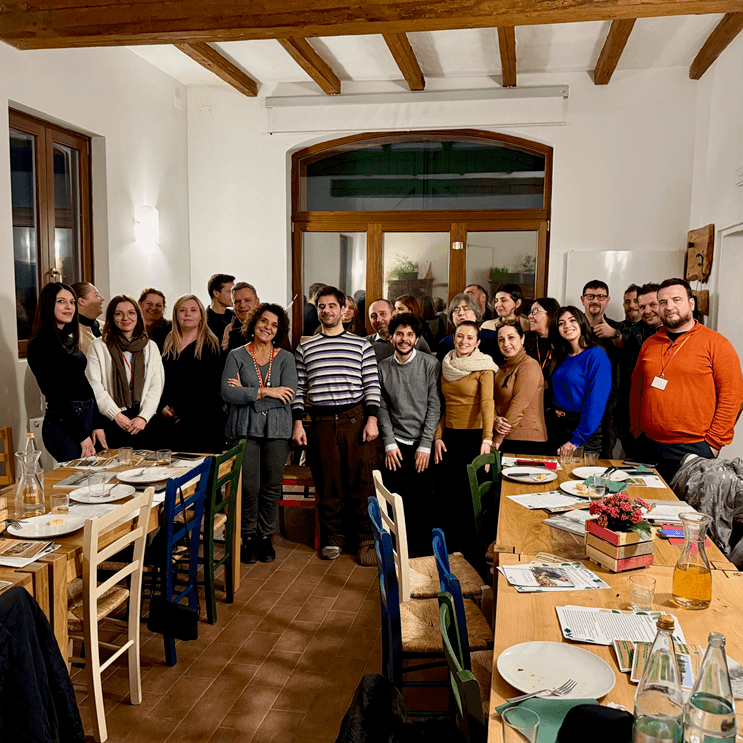
How can digital technology make rural tourism truly accessible to all? This is the question that was the starting point for the series of meetings organized in Bologna as part of the European project DigAccessAgrotourism, an initiative funded by the European Union that aims to support the digital transition of agritourisms and social economy businesses, improving the accessibility of tourism services also for people with disabilities.
In January 2026, Bologna hosted one of the central stages of the project: the Capacity Building Sessions, organized by Legacoop Emilia-Romagna together with the European partners of the project. The activities took place in two sessions, from 21 to 23 January and from 27 to 29 January, and involved almost forty representatives of organizations from six European countries: Italy, Poland, Greece, Cyprus, Portugal and Belgium.
With the aim of strengthening skills and tools to guide agritourisms towards a more inclusive digital transformation, the initiative brought together entities that support small rural tourism businesses in various ways: from tourism sector organizations to chambers of commerce, from business accelerators to IT operators.
DigAccessAgrotourism was born from the awareness that, despite the growth of rural tourism, many small businesses in the sector still do not have the skills and technologies necessary to offer fully accessible services. The project, launched in 2024 and active until 2027, aims precisely to bridge this gap through training, mentoring and the development of digital tools dedicated to the rural tourism sector.
Three days of work between training and networking
The Bologna days have been designed as a "train-the-trainer" path: a training program aimed at organizations that in the coming months will directly accompany rural tourism businesses in their path of innovation. During the three days of work, the participants explored topics such as digitization, accessibility of facilities, business models and tools to assess the level of digital maturity of companies.
The program alternated theoretical sessions and practical activities with experts in the field, including trainers from Cooperativa San Vitale, Emiliano Citarella from the Youlysses cooperative and Michał Misztal from the Polish organisation Startup Academy. One of the most popular moments was the networking event organized by the COpAPS cooperative at the Parco della Chiusa on the hills of Bologna. The meeting brought together experts from organizations engaged in the theme of digital accessibility and inclusion, including the ASPHI Foundation and experts Alessandro Bordini and Roberto Scano. The informal discussion offered a moment to discuss challenges and opportunities related to the development of truly accessible tourism.
From training to direct support for rural tourism businesses
The Bologna sessions represent a preparatory phase of a broader path. In the coming months, in fact, the organizations involved will launch a mentoring program aimed at European agritourism businesses, which will be accompanied in the definition of digital strategies and solutions to improve the accessibility of services.
Among the Italian realities involved in the project are AITR – Italian Association for Responsible Tourism and the cooperatives Atlantide (Emilia-Romagna) and Opera (Marche). Legacoop Emilia-Romagna will then be supported by Demetra Formazione and Innovacoop in the management of mentoring activities for the social economy organizations that will be selected.
The strength of the project is based on three closely intertwined pillars: training, innovation and international cooperation. It is on this "triad" that the approach of DigAccessAgrotourism is built: investing in training means strengthening the skills of operators; focusing on innovation means experimenting with concrete solutions to improve services and accessibility; finally, working in an international dimension allows us to share good practices and models that can be replicated in different European contexts. It is from the meeting of these three elements that the project aims to generate a lasting impact, helping to make rural tourism more competitive, inclusive and ready to face the challenges of the future.

No comments yet
You must be logged in to leave a comment